Credit utilization

A common tactic utilized to build a credit history is typically acquiring a credit card of some sort. this along with other credit building programs begins one’s journey for getting into a more favorable credit range. Credit card usage is a factor that helps with establishing a score, but there are things about the usage that one must know.

A credit card is a revolving tradeline (a trade line that when it is used and repaid you acquire a certain amount of the credit back). Credit cards have a capacity of use that displays how much of the overall limit has been used in a specific period. Credit utilization measures the balances you owe on your credit cards relative to the cards’ credit limits. If you never use your credit cards and there’s no balance on them, your credit utilization would be zero. If you typically carry a balance on one or more cards, you are ‘utilizing’ some of your available credit and credit score providers will take note. Credit utilization is a key piece of your credit score puzzle. Both FICO and Vantage, two big credit scoring agencies, list credit utilization as the second highest factor they consider when determining credit score. If your utilization ratio is high, it indicates that you may be overspending and that can negatively impact your score. This utilization ratio, as a rule of thumb, is recommended to be around 30 percent or less and is calculated by the total amount of card balances vs the amount of available credit. This means not maxing out existing credit cards. This utilization ratio can be improved by a variety of methods including, but not limited to; paying down current debt past the minimum payment, consolidation of credit card debts, getting another credit card, getting a credit limit increase, or leaving open existing cards once they’re paid amongst other methods.
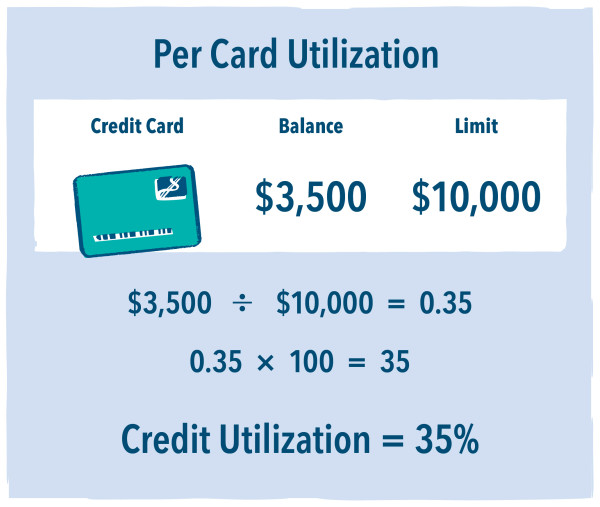
How Does Credit Utilization Work?

Now that you know how to improve your credit utilization, it’s important to keep track of your progress. Check your credit card balances monthly and keep tabs on your utilization ratios. Many card issuers offer balance alerts via text or email, making it even easier to prevent your utilization ratio from creeping up. Monitoring your credit score can also provide motivation to keep your utilization in check. This was a short lesson, but vital nonetheless. Until the next time dear reader. Excelsior!

Streams of flowing income

What is Multiple Streams of Internet Income (MSII)? Why is it important to  have MSII? – The Internet Income Academy

This time a year ago the entire world was turned upside down by a pandemic. Lockdowns ensued and people lost jobs, lives, and there was so much panic and confusion and uncertainty. Fast forward a year later and we are still feeling the effects of this ongoing issue in every way possible. One of the lessons that cannot be emphasized enough is the need for an alternative stream of income in the even one stream dries up there are others to keep funds flowing through into your accounts.

There are several different types of income, the first of which is the most common being earned income. We earn it by the hour, by the sale, by the project or by the salary. We get up most days to report to our employers to earn this income. The second type of income is profit income. When goods and services are sold there are costs associated. When businesses sell at a price higher than the cost incurred there is profit earned on the sale of the good or service. These are what are called active income streams because when one is trying to obtain income  they are actively pursuing it.

Another type of income earned is what is called passive income, this comes without action and money is made typically around the clock. One type of passive income is interest income from placing money in an interest-bearing account such as a high yield savings account or CD or any other interest-bearing products offered by your financial institution. (if you have not read my article on money market savings or CD accounts please refer to those articles for more information). Another passive income source is dividend income which comes from investments in stocks or bonds or mutual funds which pay out a dividend on a regular basis. This goes hand and hand alongside capital gains income from buying and selling assets can provide you with an income (you buy stocks and shares worth $100 and then sell them on for $120, the capital gain is $20.). Another passive income type is real estate income from the sale and renting of property to tenants and buyers. Lastly, royalty income from intellectual property such as books, film and music being sold or used by third parties. There are so many ways to make an alternative stream of income some big, small conventional or unique.

In light of this past year and the years to come, now more than ever, is this a time to keep an eye open for opportunities to obtain income. Diversification is useful in today’s times given the current state of the world. After reading this I hope this inspires you to open your mind to the different possibilities of generating income and maintaining a living in a way that works best for you. In the meantime, stay inspired and motivated. Excelscior!